Silver jewelry has remained popular for generations because of its elegant appearance, versatility, and timeless appeal. From simple everyday accessories to intricately designed statement pieces, silver jewelry offers a wide range of options for different tastes and occasions. However, creating a finished piece of silver jewelry involves several important steps, including material selection, alloy preparation, shaping, polishing, and quality inspection.
A 925 silver ring is a particularly popular choice because it combines the natural beauty of silver with improved strength and durability. Understanding how this jewelry is made helps buyers appreciate the craftsmanship involved and make informed purchasing decisions.
What Is 925 Silver?
925 silver, commonly known as sterling silver, is an alloy containing 92.5% pure silver and 7.5% other metals, usually copper. Pure silver is relatively soft, making it less suitable for jewelry that experiences regular contact, pressure, and movement. Adding a small proportion of another metal improves its strength while preserving its attractive silver appearance.
The number 925 represents the silver content in the alloy. This standard is widely used in rings, pendants, bracelets, earrings, and other jewelry products.
Unlike silver-plated jewelry, which has a thin silver coating over a different base material, genuine sterling silver jewelry contains 92.5% silver throughout the alloy. Buyers should still verify product descriptions, hallmarks, and seller information when purchasing silver jewelry.
Step 1: Selecting and Preparing the Raw Silver
The manufacturing journey begins with selecting suitable silver. Jewelry manufacturers may use newly refined silver, recycled silver, or a combination of both, depending on their sourcing practices and production requirements.
The silver must meet the required purity standard before it can be used to produce sterling silver jewelry. Manufacturers measure the silver content and prepare the alloy by combining it with the appropriate amount of another metal.
For example, producing 100 grams of 925 sterling silver alloy requires 92.5 grams of pure silver and 7.5 grams of other metals. Accurate measurement is essential because the final composition affects the jewelry's quality and conformity to the intended standard.
Responsible sourcing and appropriate material handling also contribute to consistent manufacturing quality.
Step 2: Melting and Alloy Formation
After the raw materials have been measured, the silver and alloying metals are melted using suitable equipment. Controlled heating helps the materials combine into a uniform mixture.
Temperature management is important during this stage. Incorrect processing can affect the consistency of the alloy or introduce unwanted impurities. Experienced manufacturers monitor the melting process and follow appropriate procedures to achieve the desired material properties.
Once the alloy is properly mixed, the molten metal is poured into a suitable mould or cast into a form that can be processed further. After cooling, the solidified material becomes the starting point for shaping the jewelry.
This stage establishes the foundation for the strength, workability, and appearance of the finished product.
Step 3: Forming the Silver into Ring Shapes
The solid silver alloy must be transformed into a shape suitable for jewelry production. Depending on the design and manufacturing method, this may involve rolling, cutting, casting, forging, or other metalworking techniques.
For a traditional ring, the manufacturer forms the silver into a circular band. The band is then adjusted to the required size and carefully joined where necessary. Cast rings may instead be produced using a mould created from a prepared design.
At this stage, the manufacturer considers the ring's width, thickness, profile, and overall proportions. A minimalist ring may require a smooth, uncomplicated shape, while a decorative design might include raised patterns, textured surfaces, or settings for gemstones.
Accurate shaping is important because the ring must fit comfortably while maintaining its intended appearance.
Step 4: Designing and Adding Decorative Details
Once the basic form has been created, the jewelry maker develops its visual character. Different techniques can be used to produce engraved patterns, geometric shapes, textured finishes, ornamental elements, or settings for stones.
Some designs are created using traditional handcrafting methods, while others rely on modern equipment and computer-assisted design. The choice depends on the complexity of the jewelry and the manufacturer's production process.
A simple band may require only minor adjustments before polishing. A more detailed ring can involve several additional steps to create precise patterns and balanced proportions.
Design decisions also influence how the jewelry can be worn. Smooth, lightweight rings may suit everyday use, whereas larger decorative pieces may be selected for celebrations or special occasions.
Step 5: Soldering and Assembly
Certain ring designs contain multiple components that must be joined together. Soldering is a common technique used to connect compatible metal parts securely.
During this process, the jeweler uses an appropriate solder and controlled heat to join the required sections. The joint must be carefully finished so that it does not interfere with the ring's appearance or comfort.
Not every ring requires soldering. Some pieces are cast as a single component, while others may contain separate decorative elements that are assembled during production.
For rings featuring gemstones, the setting process may involve additional precision. The stone must be secured appropriately to reduce the risk of loosening during normal wear.
Careful assembly helps the finished jewelry achieve a consistent appearance and reliable construction.
Step 6: Filing, Sanding, and Surface Preparation
After shaping and assembly, the ring may have rough edges, visible tool marks, or uneven surfaces. These imperfections must be removed before the final finish is applied.
Jewelry makers use files, abrasive materials, and specialized tools to smooth the metal. They pay particular attention to the inner surface of the ring because this area comes into direct contact with the finger.
The outer surface is also refined to prepare it for polishing or other decorative treatments. Intricate patterns require careful handling to preserve their details while removing unwanted marks.
Surface preparation is an important part of the manufacturing process because even a well-designed ring can appear unfinished if its edges and surfaces are not properly refined.
Step 7: Polishing for a Smooth, Attractive Finish
Polishing gives silver jewelry much of its characteristic shine. Depending on the design, the manufacturer may use polishing compounds, rotating tools, soft brushes, or other suitable equipment.
A high-gloss finish creates a bright, reflective surface. Other finishes, such as satin or matte, provide a softer appearance and may highlight particular design features.
Some rings combine polished and textured sections to create contrast. Oxidized finishes may also be used in selected areas to emphasize engraved details, although these treatments require appropriate care.
A 925 silver ring can gradually lose some of its shine through regular contact with moisture, cosmetics, environmental pollutants, and other substances. Proper cleaning and storage help maintain its appearance after purchase.
Step 8: Creating Matching Silver Jewelry
The same basic principles of material preparation, shaping, finishing, and inspection are used to create other sterling silver accessories.
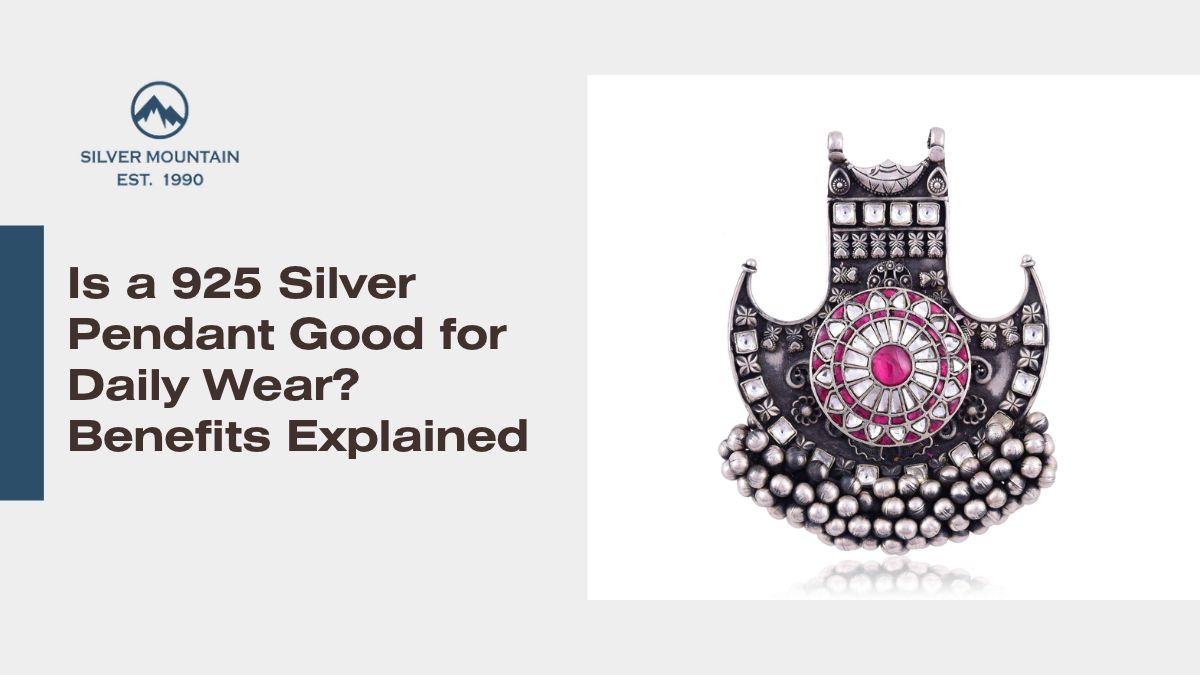
For example, a 925 silver pendant may be cast or formed into a decorative shape before its edges are refined and its surface polished. Depending on the design, the pendant may include engraved patterns, gemstones, or additional ornamental details.
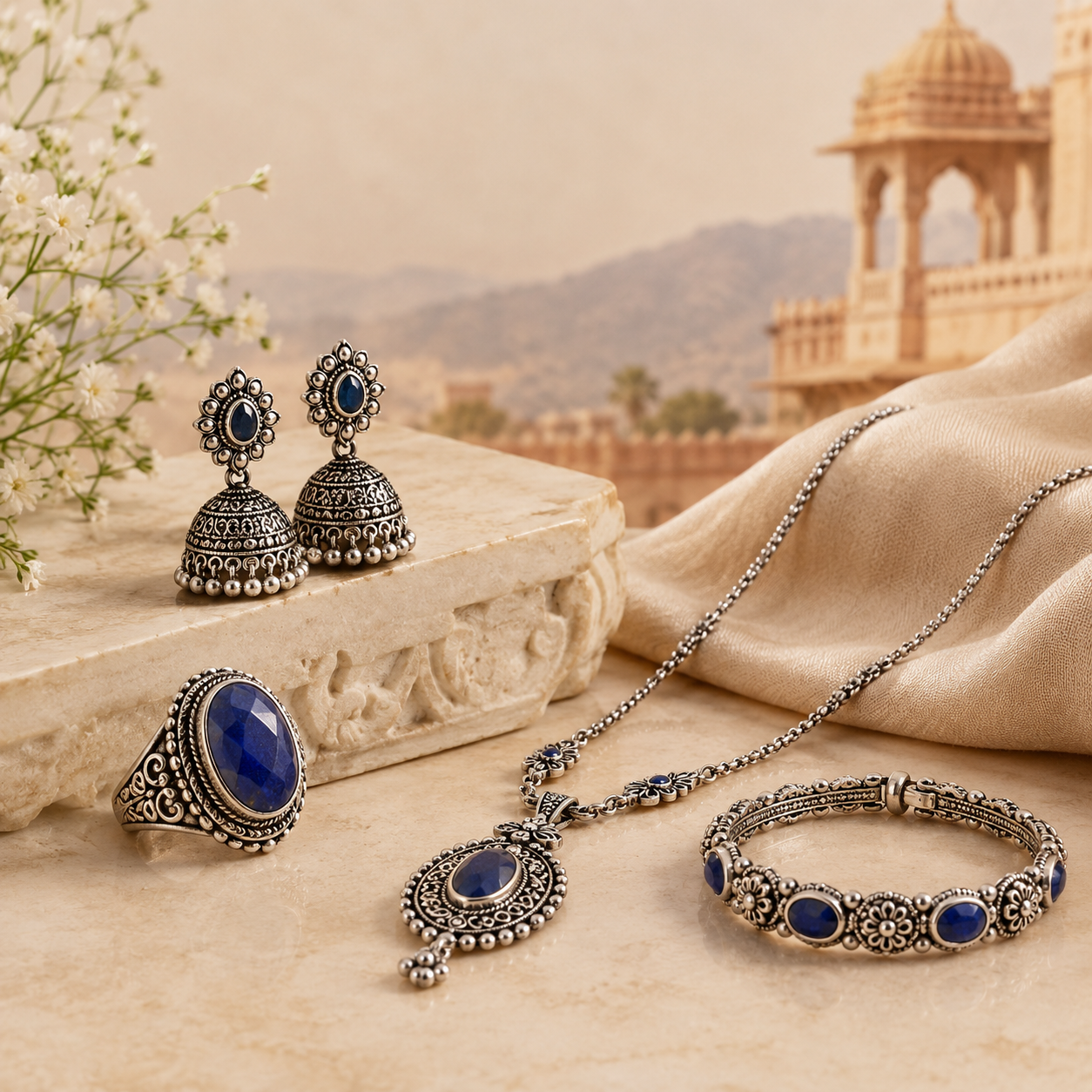
Manufacturers often create coordinated collections featuring rings, pendants, earrings, and bracelets. Matching jewelry can offer a consistent style for everyday outfits, professional settings, and special occasions.
Although different jewelry pieces require different manufacturing techniques, each product benefits from accurate measurements, suitable materials, careful finishing, and appropriate quality checks.
Step 9: Quality Inspection and Hallmark Verification
Before jewelry is packaged for sale, it should undergo suitable quality checks. Manufacturers or sellers may inspect the dimensions, surface finish, joints, stone settings, and overall appearance.
The silver content is also an important consideration. A 925 stamp indicates the claimed sterling silver standard, but the stamp alone does not conclusively prove authenticity. Buyers should consider the seller's reputation, product documentation, and any available independent testing or applicable hallmarking information.
In India, buyers can check the relevant Bureau of Indian Standards guidance to understand applicable silver hallmarking requirements and verification procedures.
Quality inspection helps identify manufacturing defects and ensures that the product is consistent with its description. It also gives customers greater confidence when selecting silver jewelry.
Step 10: Packaging and Selling Silver Jewelry
After inspection, the finished jewelry is cleaned, prepared, and packaged for distribution. Appropriate packaging protects the surface from scratches and helps reduce unnecessary exposure to air and moisture during storage.
Jewelry may then be supplied to retail stores, independent jewelers, wholesalers, or online sellers. Product listings typically provide details such as metal purity, ring size, weight, design, care instructions, and pricing.
Customers looking for silver rings online should review these details before placing an order. Checking the return policy, sizing information, seller reviews, and authenticity claims can help prevent avoidable problems.
It is also helpful to compare similar products carefully. A lower price does not necessarily indicate better value, especially when the silver weight, workmanship, design complexity, and after-sales support differ.
How to Care for a 925 Silver Ring
Proper maintenance helps preserve the appearance of sterling silver jewelry over time. A few simple practices can make a difference.
Clean it gently: Use a soft jewelry cloth to remove fingerprints and everyday residue.
Store it properly: Keep the ring in a dry, enclosed jewelry box or suitable anti-tarnish pouch.
Avoid harsh chemicals: Remove jewelry before using strong cleaning products or swimming in chlorinated water.
Limit unnecessary contact: Cosmetics, perfumes, and certain household products can contribute to surface discoloration.
Inspect decorative settings: If the ring contains gemstones, check periodically for loose stones or damaged settings.
Use suitable cleaning methods: Follow the manufacturer's care instructions, particularly for oxidized, plated, or gemstone-set pieces.
Silver can naturally tarnish over time because of chemical reactions with substances in the environment. Tarnishing does not automatically mean that the jewelry is fake. Appropriate cleaning methods can often restore its appearance.
Conclusion
The journey from raw silver to finished jewelry involves far more than shaping a piece of metal. It requires accurate alloy preparation, careful forming, detailed craftsmanship, surface refinement, polishing, and quality inspection. Each stage contributes to the appearance, comfort, and overall quality of the final product.
Whether someone prefers a simple band, an engraved design, or coordinated jewelry, understanding the manufacturing process makes it easier to evaluate the materials and workmanship involved.
When exploring silver rings online, buyers should pay attention to silver purity, ring dimensions, finishing quality, seller credibility, and care requirements. These considerations can help them select jewelry that suits their preferences and offers lasting enjoyment.
A well-made sterling silver piece combines thoughtful design with appropriate material quality and careful craftsmanship, making it a versatile addition to a jewelry collection.
Frequently Asked Questions
1. What is a 925 silver ring?
A 925 silver ring is made from sterling silver containing 92.5% pure silver and 7.5% other metals, usually copper, to improve its strength and durability.
2. How is a 925 silver ring manufactured?
The manufacturing process involves selecting raw silver, preparing the alloy, melting, shaping, adding decorative details, polishing, and conducting quality inspections.
3. Is a 925 silver ring suitable for everyday wear?
Yes, a 925 silver ring is generally suitable for everyday wear because sterling silver is stronger than pure silver. Proper cleaning and care help maintain its appearance.
4. What is the difference between a 925 silver ring and a silver-plated ring?
A 925 silver ring contains 92.5% silver throughout its alloy, whereas silver-plated jewelry has a thin silver coating over another base material.
5. How can I identify a genuine 925 silver ring?
Check the 925 stamp, seller reputation, product documentation, and available authenticity testing. A stamp alone does not conclusively establish silver purity.