Jewellery is often valued not only for its appearance but also for the craftsmanship, materials, and attention to detail behind its creation. Pearl jewellery has maintained its popularity for generations because of its graceful appearance and versatility. When combined with sterling silver, pearls create jewellery pieces that balance traditional beauty with contemporary design. However, not every pearl necklace offers the same level of quality, durability, or visual appeal.
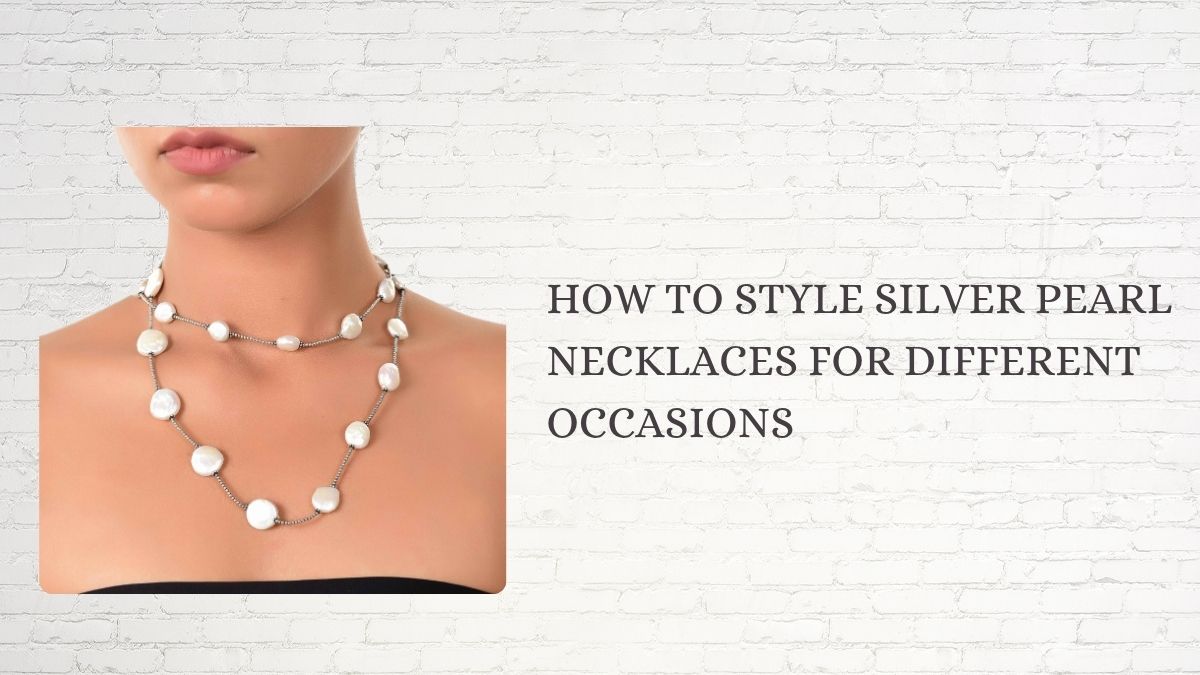
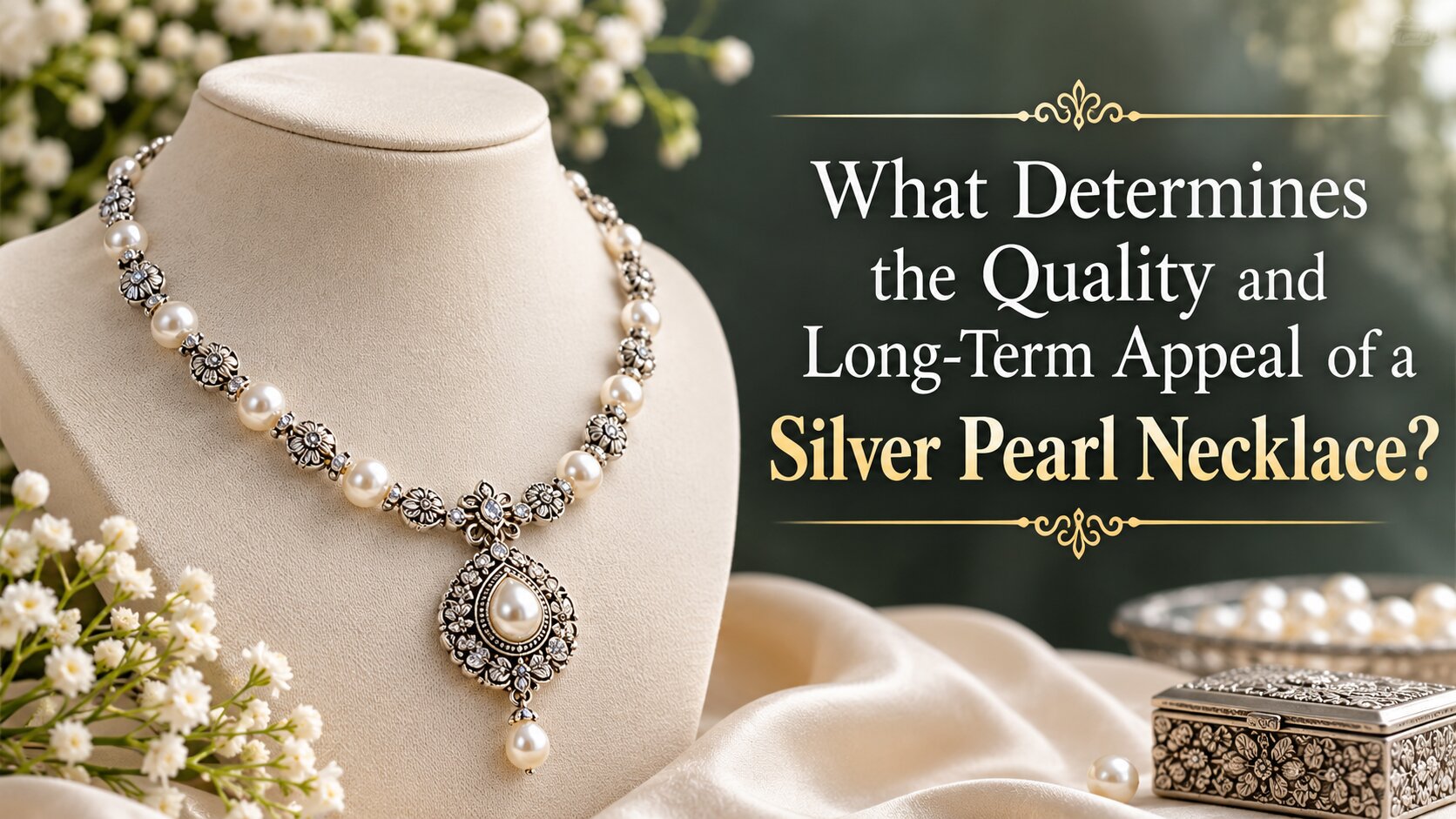
The quality of a pearl necklace depends on several factors, including pearl characteristics, silver purity, setting techniques, finishing, and overall construction. Understanding these elements helps buyers make informed decisions when selecting jewellery for personal use, gifting, or retail collections. Well-crafted Silver Pearl Necklaces can remain attractive for years when they are made with suitable materials and maintained properly.
Pearls are the most noticeable elements of a pearl necklace, so their quality has a significant influence on the overall appearance. Several characteristics determine how attractive and valuable a pearl may be.
Lustre is one of the most important factors. It refers to the way a pearl reflects light from its surface. Pearls with a bright, clear reflection generally appear more attractive than those with a dull or chalky surface.
Surface quality is another consideration. Natural and cultured pearls may have small surface marks, irregularities, or growth characteristics. Fewer visible imperfections often create a more refined appearance, although minor natural variations are not necessarily a sign of poor quality.
Pearl shape also affects necklace design. Round pearls are commonly selected for symmetrical and classic jewellery, while oval, drop-shaped, baroque, and irregular pearls are used for more distinctive styles. The choice depends on the intended design and personal preference.
The silver used in a necklace plays an equally important role in its durability and overall finish. Sterling silver generally contains 92.5% pure silver and 7.5% other metals, commonly copper, which improve its strength and suitability for jewellery making.
A genuine 925 sterling silver necklace should have appropriate purity identification and reliable documentation. Buyers should check for a 925 stamp or relevant hallmarking information where applicable. A stamp alone should not be treated as complete proof of authenticity; purchasing from a trustworthy seller and checking available purity documentation are also important.
Silver quality influences the necklace's appearance, strength, and resistance to everyday wear. Properly manufactured silver components help maintain the structure of the jewellery and provide a suitable base for securing pearls.
The way pearls are attached to a silver necklace directly affects its construction and long-term usability. Different jewellery designs require different setting techniques.
Some necklaces use silver caps or decorative frames to hold individual pearls. Others feature drilled pearls attached through pins, loops, or carefully designed connectors. Each method should provide a secure attachment without damaging the pearl.
In designs where pearls are combined with silver links, the connection points need particular attention. Weak joints or poorly fitted components may cause pearls to loosen during regular use.
A well-designed necklace maintains a balance between decoration and functionality. The setting should complement the pearl rather than hide its natural beauty.
A necklace may contain high-quality pearls and genuine silver, but weak construction can reduce its overall durability. Chain strength, clasp design, connecting rings, and joint finishing should therefore be considered before purchasing.
The chain should be suitable for the necklace's weight. Delicate chains may work well with lightweight pendants, whereas heavier pearl arrangements may require stronger links or a more substantial chain.
Clasps are another important component. Lobster clasps, spring-ring clasps, and traditional hook closures are commonly used in silver jewellery. A properly fitted clasp should close securely and remain comfortable to operate.
The connecting rings should also be inspected. Loose or thin rings can become weak points, particularly in necklaces worn frequently.
The visual appeal of a pearl necklace depends on how its different elements work together. Pearl size, spacing, colour, chain length, and silver detailing all contribute to the final design.
For example, evenly sized pearls create a symmetrical appearance, while necklaces featuring different pearl sizes may offer a more artistic look. A single pearl pendant creates a minimal style, whereas multiple pearls arranged with decorative silver elements produce a more traditional appearance.
The proportion between the pearls and silver components is especially important. Heavy decorative settings may overpower small pearls, while very delicate silver details may not provide enough visual balance for larger pearls.
Designers consider these elements to create necklaces suitable for different occasions, including everyday wear, formal events, celebrations, and traditional outfits.
Finishing is an important indicator of jewellery workmanship. Even when the raw materials are good, uneven polishing, rough edges, and poorly finished connections can affect the final result.
High-quality silver jewellery generally features smooth surfaces, clean edges, consistent detailing, and properly finished joints. Polished silver provides a bright appearance, while oxidised finishing creates darker areas that highlight decorative patterns.
Handcrafted jewellery may include small variations because of the individual techniques used by artisans. These details can contribute to the character of a design when the overall construction remains neat and secure.
The expertise of a Silver Jewelry manufacturer is therefore important in maintaining consistency across material selection, pearl attachment, silver finishing, and final quality checks. Experienced manufacturers also understand how to adapt designs for different market requirements without compromising basic construction standards.
Pearls are available in different colours, including white, cream, pink, grey, and black. Their appearance may vary depending on the pearl type and origin.
When multiple pearls are used in a single necklace, matching their colour, lustre, shape, and size can create a more consistent appearance. However, contrasting pearls may also be intentionally selected to produce a distinctive design.
Silver provides a versatile background for different pearl colours. White and cream pearls create a classic combination, while grey and black pearls can offer a more contemporary appearance.
The choice of colour coordination should depend on the design concept and the intended wearer rather than following a single fixed rule.
One reason pearl necklaces continue to attract buyers is their ability to complement different clothing styles. A simple pearl pendant can be worn with everyday outfits, while a detailed necklace may be suitable for festive and formal occasions.
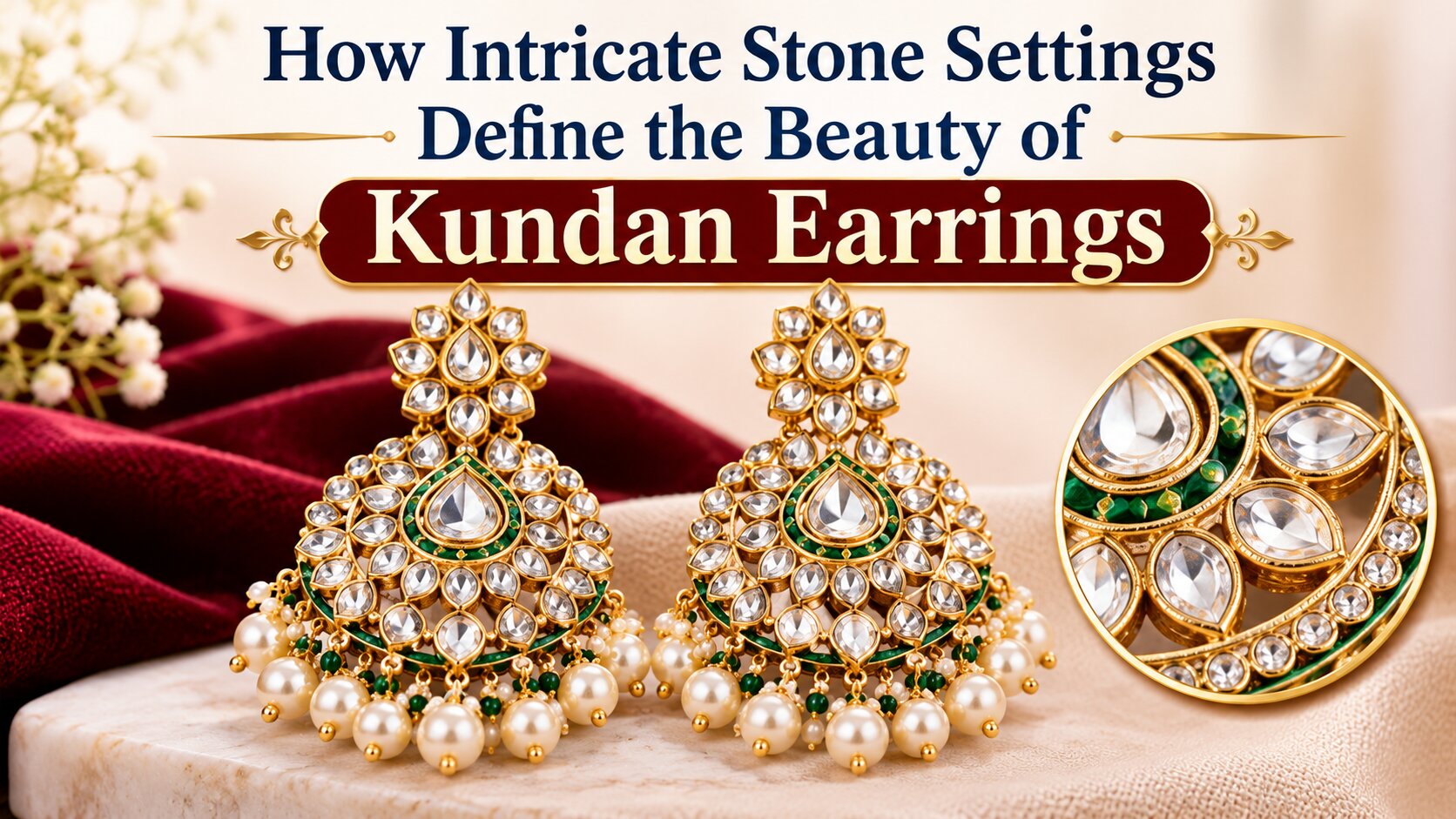
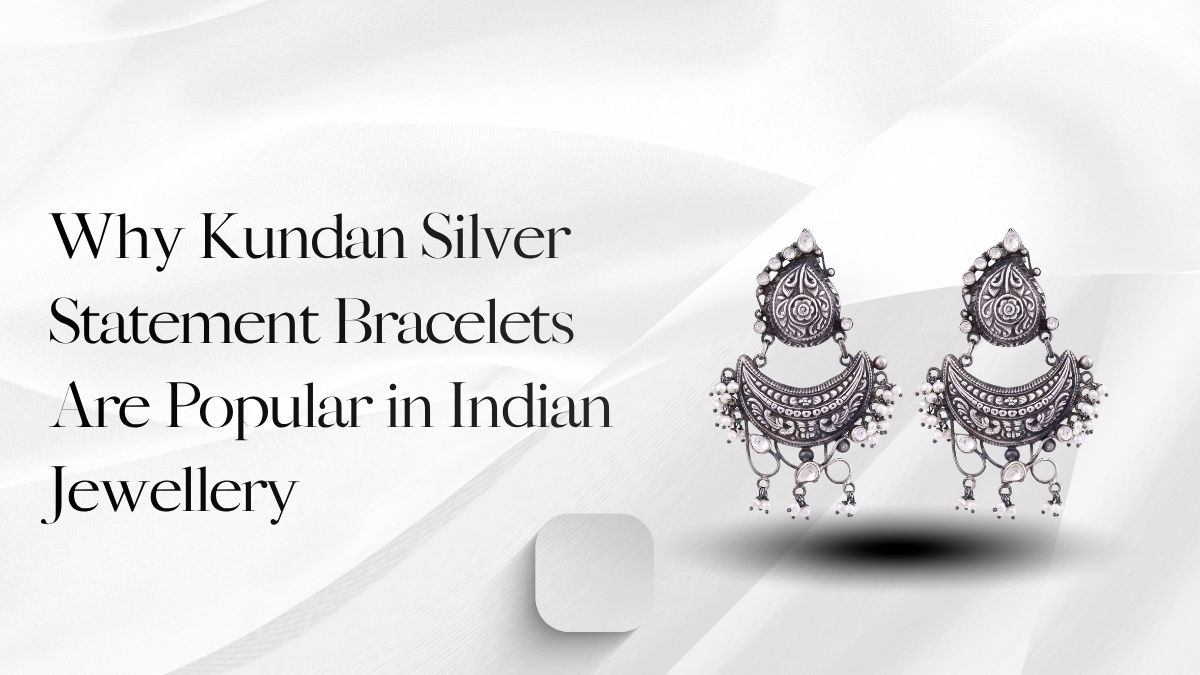
Pearl jewellery can also be combined with other traditional silver accessories. For example, a coordinated collection featuring a pearl necklace and Silver Kundan earring can create a distinctive traditional appearance for weddings, family celebrations, and cultural events.
Modern designs may use smaller pearls, lightweight chains, and minimal silver settings. Traditional collections often feature larger pearls, decorative elements, and detailed craftsmanship.
This variety makes pearl necklaces suitable for different age groups, fashion preferences, and jewellery collections.
Proper care helps preserve both the pearls and silver components. Pearls are relatively delicate compared with many gemstones, so they require careful handling.
Consider the following maintenance practices:
Sterling silver may naturally tarnish over time due to exposure to air and other environmental factors. Gentle cleaning with a suitable silver-care cloth can help maintain its appearance. However, care should be taken around pearls, as aggressive polishing may damage their surface.
Before purchasing a pearl necklace, buyers should examine more than its design or displayed price. A few practical checks can help assess its overall quality.
First, confirm whether the silver is genuine 925 sterling silver or another silver-finished material. Ask about purity documentation and hallmarking where applicable.
Next, examine the pearls for lustre, surface condition, shape, and consistency. Check whether the pearls are natural, cultured, imitation, or another specified type. These categories should be clearly identified by the seller.
Also inspect the clasp, chain, connecting components, and pearl settings. Product descriptions should ideally provide details about silver weight, pearl type, necklace length, and whether the displayed price includes additional components.
Buyers purchasing jewellery in larger quantities should also ask about sample availability, manufacturing standards, customisation, packaging, and return policies. These details are particularly useful when sourcing products for a jewellery business.
The quality and long-term appeal of a silver pearl necklace depend on the combined performance of its materials, craftsmanship, design, and maintenance. Pearl lustre, surface quality, sterling silver purity, secure settings, chain strength, and finishing all contribute to the final product.
A thoughtfully designed necklace offers more than an attractive appearance. It also provides comfortable wear, reliable construction, and styling flexibility. By understanding these factors, buyers can make better jewellery choices and select pieces that suit their preferences and intended use.
Whether choosing a minimal pearl pendant or an elaborate traditional design, paying attention to material authenticity and manufacturing quality helps ensure a more satisfying jewellery purchase.
1. What makes a silver pearl necklace good quality?
A good-quality necklace combines attractive pearls, genuine sterling silver, secure pearl settings, a strong chain, and smooth finishing. Pearl lustre and surface condition also influence its overall appearance.
2. Are 925 sterling silver pearl necklaces durable?
Yes, 925 sterling silver is suitable for jewellery making because it combines silver purity with improved strength. Its durability also depends on chain thickness, construction, setting quality, and regular care.
3. How can buyers identify genuine 925 silver in a pearl necklace?
Buyers can look for a 925 stamp, ask for relevant purity documentation, and purchase from a reliable seller. A stamp alone does not guarantee authenticity.
4. Do pearl necklaces require special cleaning?
Yes. Pearls should be cleaned gently with a soft, slightly damp cloth. Avoid harsh chemicals, ultrasonic cleaning, and aggressive polishing, especially around pearl settings.
5. Which pearl colours work well with sterling silver?
White, cream, grey, and black pearls can all complement sterling silver. The best choice depends on the desired appearance, outfit, and jewellery design.